Why Natural Flea and Tick Prevention Works Better Than You Think

March 6, 2026

Introduction

Spring in South Florida means longer days, blooming flowers, and outdoor adventures with your dog. It also means fleas and ticks are back in full force.


Most pet owners reach for the same chemical-based treatments they've always used. But what if there was a better way? One that actually works without exposing your pet to harsh pesticides?


Natural flea and tick prevention has come a long way. It's no longer just essential oils in a spray bottle and hope for the best. Modern natural products use proven ingredients that repel pests effectively while keeping your pet safe.


At Health E Pets Market in Jupiter, we've helped hundreds of pet owners make the switch from chemical treatments to natural prevention. Let's talk about why it works, what ingredients to look for, and how to protect your pet this spring without the toxic side effects.


The Problem with Chemical Flea and Tick Treatments

Traditional flea and tick products work by poisoning the nervous system of parasites. The problem? They can also affect your pet's nervous system.


Common ingredients in chemical treatments:

  • Fipronil: Linked to thyroid issues, seizures, and organ damage
  • Permethrin: Extremely toxic to cats, can cause tremors and seizures in dogs
  • Imidacloprid: A neonicotinoid pesticide that harms beneficial insects and has been linked to neurological issues
  • Pyrethrins/Pyrethroids: Can cause vomiting, diarrhea, tremors, and respiratory issues

Reported side effects:

Pet owners and veterinarians have documented thousands of adverse reactions, including:

  • Skin irritation and burns at application site
  • Vomiting and diarrhea
  • Seizures
  • Tremors and loss of coordination
  • Lethargy and weakness
  • In rare cases, death


The EPA has issued multiple warnings about these products, yet they're still widely used and recommended.


Environmental concerns:

These chemicals don't just stay on your pet. They wash off into waterways, killing beneficial insects and aquatic life. They contaminate soil and persist in the environment for months.


If you have kids, they're exposed every time they pet the dog or cat. Chemical residue transfers to hands, furniture, and bedding.


There has to be a better way. And there is.


How Natural Flea and Tick Prevention Works

Natural prevention doesn't poison pests. It repels them using scents and compounds they can't stand.


Think of it like mosquito repellent for humans. You're not killing mosquitoes, you're making yourself an unappealing target. Same principle for pets.


Key differences:

  • Repels instead of kills: Pests avoid treated pets entirely
  • Non-toxic to mammals: Safe for dogs, cats, kids, and wildlife
  • No chemical residue: Won't contaminate your home or environment
  • Supports skin health: Many natural ingredients soothe skin instead of irritating it


Natural prevention requires consistency and a multi-layered approach, but when done right, it works just as well as chemical treatments without the risks.


Proven Natural Ingredients That Actually Work

Not all natural ingredients are equal. Some have solid research backing them. Others are marketing hype.


Here are the ingredients proven to repel fleas and ticks:

Cedarwood Oil

Cedarwood has been used for centuries as a natural insect repellent. It works by disrupting pheromones that pests use to communicate and breed.


What it does:

  • Repels fleas, ticks, mosquitoes, and even ants
  • Safe for dogs and cats when properly diluted
  • Also has antifungal and antibacterial properties

How to use it:

Look for sprays, collars, or shampoos containing cedarwood oil. Apply to your pet's coat before outdoor activities.


Neem Oil

Neem comes from the neem tree native to India. It's been used in traditional medicine for thousands of years.


What it does:

  • Disrupts the life cycle of fleas and ticks
  • Prevents eggs from hatching
  • Acts as a natural insecticide and repellent
  • Soothes irritated skin


How to use it:

Neem-based sprays, shampoos, and leave-in treatments work well. Apply regularly for best results.


Diatomaceous Earth (Food-Grade)

Diatomaceous earth (DE) is fossilized algae ground into a fine powder. It's mechanical, not chemical.


What it does:

  • Cuts through the exoskeleton of fleas and ticks, dehydrating them
  • Non-toxic to mammals when food-grade
  • Also kills flea eggs and larvae in your home


How to use it:

Dust your pet's coat lightly (avoid face and eyes), or sprinkle on carpets, bedding, and baseboards. Leave for 24-48 hours, then vacuum.


Essential Oil Blends (When Done Right)

Certain essential oils repel pests when used correctly. The key is proper dilution and choosing pet-safe oils.


Safe and effective oils:

  • Lemongrass: Repels ticks and fleas
  • Peppermint: Mosquitoes and fleas hate it
  • Lavender: Calming and repellent
  • Eucalyptus (lemon eucalyptus): Strong tick deterrent


Important safety notes:

  • Always dilute properly (1-2% concentration for topical use)
  • Never use undiluted oils directly on pets
  • Avoid toxic oils like tea tree (melaleuca), wintergreen, and pennyroyal
  • Cats are more sensitive—use cat-safe formulations only


If you're not confident making your own blends, buy products formulated specifically for pets. We carry vet-approved natural repellent sprays at Health E Pets Market.


Apple Cider Vinegar

ACV creates an acidic environment on your pet's skin that fleas and ticks dislike.


How to use it:

Mix 1 part raw, unfiltered apple cider vinegar with 1 part water. Spray on your pet's coat (avoid eyes and open wounds) or add a teaspoon to their water bowl daily.


It won't kill existing pests, but it makes your pet less attractive to new ones.


Building a Natural Flea and Tick Prevention Plan

Natural prevention works best when you use multiple methods together. Here's a complete plan:


Step 1: Treat Your Pet

  • Apply a natural repellent spray before walks, hikes, or yard time
  • Use a natural flea and tick collar for continuous protection
  • Bathe with a natural shampoo containing neem, cedarwood, or essential oils once a week during peak season
  • Add food-grade diatomaceous earth to your pet's coat lightly (brush through, avoid face)


Step 2: Treat Your Home

Fleas lay eggs in carpets, furniture, and bedding. You need to break the cycle.

  • Vacuum frequently: At least twice a week, focusing on areas where your pet sleeps
  • Wash bedding weekly in hot water
  • Sprinkle diatomaceous earth on carpets and furniture, leave 24-48 hours, then vacuum
  • Use natural yard sprays with cedarwood or neem to treat outdoor spaces


Step 3: Support from the Inside

A healthy pet with a strong immune system is less attractive to pests.

  • Feed high-quality, natural food: We covered this in our January article on food quality
  • Add garlic (in safe amounts): A tiny amount of fresh garlic can make your pet's blood less appealing to fleas. Consult your vet on dosage, too much is toxic
  • Supplement with B vitamins: Brewer's yeast tablets change skin chemistry and repel fleas
  • Keep skin healthy: Omega-3 supplements support skin barrier function


We stock all of these supplements at our Jupiter store.


Step 4: Check Daily

After outdoor time, run your hands through your pet's coat, especially around the neck, ears, armpits, and groin. Use a flea comb to catch any hitchhikers before they settle in.


If you find a tick, remove it immediately with fine-tipped tweezers. Pull straight up with steady pressure. Save the tick in a sealed bag in case your pet shows symptoms later.


Does Natural Prevention Really Work?

Here's the honest answer: yes, but it requires commitment.


Chemical treatments are convenient. One dose lasts 30 days. Natural prevention requires more frequent application and a multi-layered approach.


The trade-off:

  • Chemical: Convenient, effective, toxic
  • Natural: Requires effort, effective when done right, non-toxic


If you live in a high-risk area or your dog spends hours in tall grass daily, you might need to reapply natural repellent more often. But the peace of mind knowing you're not poisoning your pet is worth it.


Real-world results:

We've worked with hundreds of Jupiter pet owners who've made the switch successfully. The key is consistency and using multiple methods together.


Real-Life Example: Duke's Story

Duke, a three-year-old German Shepherd, had severe reactions to chemical flea treatments. After his second topical treatment, he developed seizures.


His owner came to Health E Pets Market desperate for an alternative. We set him up with:

  • A cedarwood and neem spray for daily application
  • A natural flea collar
  • Food-grade diatomaceous earth for his bedding
  • Omega-3 supplements for skin health


Duke's owner was skeptical but committed to the routine. Two months later, Duke was seizure-free and flea-free. He's been on natural prevention for over a year now with zero issues.


When to Use Caution

Natural prevention isn't right for every situation.


Consider chemical treatment if:

  • Your pet has a severe flea infestation (natural products repel, they don't kill existing infestations fast)
  • You live in a high-risk Lyme disease area and need guaranteed tick protection
  • Your pet has health conditions that make them vulnerable to tick-borne illness


In these cases, work with your vet to find the safest chemical option, then transition to natural prevention for maintenance.


For severe infestations:

Use a one-time chemical treatment to knock down the population, then switch to natural prevention to keep them away. Treat your home aggressively at the same time.


Tips for South Florida Pet Owners

Our climate makes flea and tick prevention a year-round job, not just a spring concern.


What makes South Florida challenging:

  • Warm, humid weather = ideal breeding conditions
  • Fleas thrive in sandy soil
  • Ticks love tall grass and wooded areas common in Jupiter and Palm Beach County


Local strategies:

  • Keep grass cut short in your yard
  • Treat outdoor areas where your pet spends time
  • Check your pet daily, especially after visiting dog parks or nature trails
  • Consider professional grooming every 4-6 weeks to catch pests early and maintain coat health

The Bottom Line

Natural flea and tick prevention works when you use proven ingredients consistently and treat both your pet and environment.


You don't have to expose your pet to neurotoxic pesticides to keep them safe. Cedarwood, neem, diatomaceous earth, and proper essential oil blends provide real protection without the risks.


Yes, it requires more effort than a monthly chemical dose. But the trade-off is a healthier pet, a safer home, and peace of mind.


Visit Health E Pets Market in Jupiter

Ready to make the switch to natural flea and tick prevention? Stop by Health E Pets Market in Jupiter, Florida.


We carry a full line of natural repellent sprays, collars, shampoos, and supplements. Our experienced staff can help you build a prevention plan that fits your pet's lifestyle and South Florida's unique challenges.


We've been serving Jupiter pet owners since 2010, and we're here to help you protect your pets naturally.

Check out our dog health and wellness products, cat health products, and grooming services.


Stop by today and keep your pet safe this spring, the natural way.

Share content
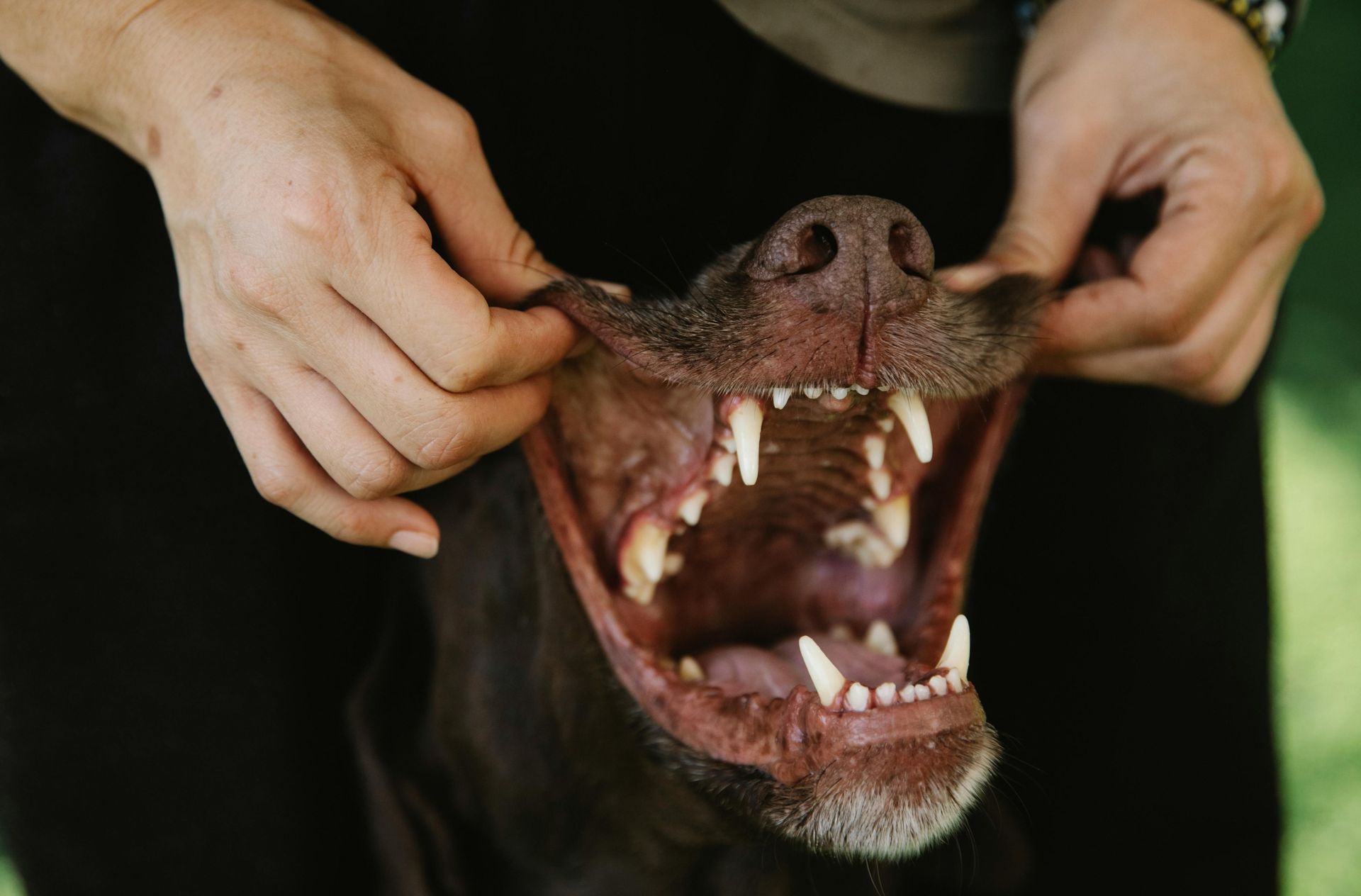
Healthy dog teeth and gums after natural dental care routine
By Michele McDermott February 2, 2026
Keep your dog's teeth clean naturally. Learn about dental chews, raw bones, water additives, and diet tips from Jupiter's Health E Pets Market experts.
Natural pet food and supplements for digestive health
By Michele McDermott January 6, 2026
Is your pet's food causing problems? Learn the warning signs of food intolerance and allergies, plus how to switch to better nutrition in Jupiter, FL.
By Michele McDermott December 5, 2025
Your pets give you unconditional love every single day. They greet you at the door, curl up next to you on the couch, and make even the worst days better. This holiday season, why not spoil them the way they deserve? Skip the generic pet aisle at the big box store. At Health E Pets Market in Jupiter, we've curated a collection of high-quality, natural gifts that your pets will actually use and love. From toys that last to treats that support their health, we've got something for every pet on your list. Here's your complete holiday gift guide for dogs and cats, all available right here in Jupiter. Gift Ideas for Dogs 1. Long-Lasting Chews for Power Chewers If your dog destroys toys in five minutes, you need chews that can keep up. We carry: Bully sticks (single-ingredient, high-protein) Elk and deer antlers (natural, long-lasting, great for dental health) Yak cheese chews (hard, digestible, and dogs go crazy for them) Beef trachea and tendons (crunchy texture, joint-supporting collagen) These aren't just entertainment. They clean teeth, satisfy natural chewing instincts, and keep your dog busy while you wrap presents. Why we love them: They're natural, sourced responsibly, and free of artificial flavors or preservatives. Your dog gets a treat that's actually good for them. 2. Interactive Puzzle Toys for Mental Stimulation A tired dog is a happy dog, and mental exercise is just as important as physical exercise. Puzzle toys challenge your dog's brain and slow down fast eaters. Look for: Treat-dispensing balls that make your dog work for their snacks Snuffle mats that mimic foraging behavior Hide-and-seek plush toys with squeaky critters inside These toys reduce boredom, anxiety, and destructive behavior. Perfect for rainy days or when you need your dog occupied during holiday gatherings. 3. Premium Dog Treats Made with Real Ingredients Forget the mystery meat and fillers. We stock treats made with whole, recognizable ingredients. Top picks: Freeze-dried raw treats (chicken, beef, salmon, single-ingredient) Dehydrated sweet potato chews (crunchy, naturally sweet, full of fiber) Peanut butter biscuits (grain-free, made with real peanut butter, no xylitol) Training treats (small, soft, high-value for recall and obedience) These treats work for picky eaters, dogs with allergies, and anyone who wants to give their dog something clean and healthy. Pro tip: Pair treats with a natural food plan for year-round health benefits. 4. Grooming Essentials for a Spa Day at Home Every dog deserves to look and feel their best during the holidays. Gift grooming products like: Natural shampoos and conditioners (oatmeal for sensitive skin, coconut oil for shine) Deshedding tools (perfect for double-coated breeds shedding their winter coats) Nail clippers and grinders (keep nails short and comfortable) Dental care kits (toothbrush, toothpaste, and dental wipes) If grooming at home isn't your thing, gift a grooming appointment at Health E Pets Market . Our experienced groomers have been pampering Jupiter pets since 2010. 5. Wellness Supplements for Year-Round Health Support your dog's health with supplements that target specific needs. Popular choices: Joint support (glucosamine, chondroitin, MSM for older dogs or active breeds) Probiotics (gut health, digestion, immune support) Omega-3 fish oil (shiny coat, reduced inflammation, heart health) Calming chews (L-theanine, chamomile for anxious dogs) These make thoughtful gifts for senior dogs, dogs with health challenges, or pet parents who want to be proactive about wellness. Check out our full line of dog health and wellness products in-store. 6. Cozy Beds and Blankets for Winter Naps South Florida doesn't get freezing, but December nights can be cool. Give your dog a warm, comfortable place to curl up. Look for: Orthopedic beds (memory foam for senior dogs or those with joint issues) Heated beds (low-wattage, safe, perfect for older or arthritic dogs) Fleece blankets (washable, soft, great for crates or couches) A quality bed supports better sleep, reduces joint pain, and gives your dog their own special space during busy holiday chaos. Gift Ideas for Cats 1. Interactive Toys for the Hunter Instinct Cats are natural hunters. Toys that mimic prey keep them entertained and exercised. Top picks: Feather wands (classic, high-energy, great for bonding) Laser pointers (just make sure to end play sessions with a physical toy they can "catch") Battery-operated mice or birds (realistic movement, perfect for solo play) Tunnel systems (collapsible, crinkly, ideal for hide-and-seek) Indoor cats especially need mental stimulation. These toys prevent boredom, obesity, and behavior problems. 2. Premium Cat Treats They'll Actually Eat Cats are notoriously picky, but we've found treats even the fussiest felines love. Try: Freeze-dried chicken or salmon (pure protein, no fillers) Tuna flakes (crunchy, savory, high-value) Catnip-infused treats (extra fun for cats who love catnip) Lickable squeeze tubes (great for bonding and administering medication) These treats are grain-free, made with real meat, and free of artificial junk. Perfect for rewarding good behavior or just showing love. Browse our selection of cat food and treats in Jupiter. 3. Scratching Posts and Cat Trees Save your furniture and give your cat an outlet for their scratching instinct. Look for: Tall scratching posts (sisal-wrapped, sturdy bases) Multi-level cat trees (perches, hideaways, dangling toys) Cardboard scratchers (affordable, replaceable, cats love the texture) Cats scratch to mark territory, stretch muscles, and shed old nail sheaths. A good scratcher is a must-have in any cat household. 4. Grooming Tools for Healthy Coats Yes, cats groom themselves, but they still need help, especially long-haired breeds. Gift: Slicker brushes (remove loose fur, prevent mats) Deshedding tools (reduce hairballs and shedding around the house) Nail clippers (keep claws from overgrowing) Grooming wipes (clean paws, face, and coat between baths) Regular grooming reduces hairballs, keeps skin healthy, and strengthens your bond with your cat. If your cat hates being groomed at home, book a professional grooming session at Health E Pets Market . We handle even the most nervous cats with care. 5. Wellness Supplements for Cats Cats benefit from targeted supplements just like dogs. Popular options: Urinary tract support (cranberry, D-mannose for cats prone to UTIs) Hairball control (fiber supplements or oils to help hair pass through) Joint support (glucosamine for senior or arthritic cats) Probiotics (digestive health, especially after antibiotics) These supplements support long-term health and prevent common feline issues. Check out our cat health and wellness section for more options. 6. Cozy Hideaways and Heated Pads Cats love warm, enclosed spaces where they feel safe. Gift ideas: Cat caves or igloos (soft, enclosed, perfect for anxious cats) Window perches (suction-cup mounted, lets them watch birds and sunshine) Heated pads (low-wattage, safe, ideal for senior cats or cool nights) These gifts give your cat comfort, security, and their own little kingdom. Gifts for Multi-Pet Households Shopping for a home with both dogs and cats? Here are gifts everyone can enjoy: Stainless steel or ceramic feeding bowls (easy to clean, dishwasher-safe) Automatic water fountains (encourages hydration, filtered water) Pet-safe holiday stockings (fill with treats and toys for each pet) Gift certificates (let pet parents choose what their pets need most) Why Shop Local at Health E Pets Market? You could order gifts online and hope they arrive on time. Or you could walk into a store where the staff knows pets, knows products, and actually cares about helping you find the right fit. Here's what makes Health E Pets Market different: Family-owned since 2010: We're not a corporate chain. We're your neighbors, and we've been serving Jupiter's pet community for over a decade. Trained, experienced staff: Our team knows the products we carry inside and out. We can answer questions, make recommendations, and help you find exactly what your pet needs. Curated selection: We don't stock junk. Every product we carry is chosen for quality, safety, and effectiveness. If it's on our shelves, we trust it. Support local: Shopping local keeps money in the Jupiter community and supports small businesses that care about more than just profit. Immediate gratification: No shipping delays, no porch pirates. Walk in, get what you need, and wrap it the same day. Still Not Sure What to Get? Stop by and talk to us. Seriously. Tell us about your pet: their age, breed, personality, dietary needs, favorite activities. We'll help you find a gift they'll love. Can't make it in before the holidays? Grab a gift card. It's the perfect solution for pet parents who know what their pets need better than anyone else. The Bottom Line The best gifts aren't the most expensive. They're the ones that make your pet's life better: healthier, happier, more comfortable, more fun. This holiday season, skip the cheap toys that break in a day and the treats full of fillers. Give your pet something that shows you care about their well-being. Visit Health E Pets Market in Jupiter This Holiday Season Ready to find the perfect gifts for your furry family members? Stop by Health E Pets Market in Jupiter, Florida.  We're stocked with everything you need: toys , treats , grooming products , wellness supplements , and more. Our staff is here to help you find gifts your pets will actually use and love. Come see why Jupiter pet owners have trusted us since 2010. Visit us today and make this the best holiday yet for your pets.
Safe Thanksgiving treats for dogs at Health E Pets Market Jupiter
By Michele McDermott October 27, 2025
Keep your pet safe this Thanksgiving. Learn which holiday foods are toxic to dogs and cats, plus vet-approved treats they can enjoy in Jupiter, FL.
A person is feeding a dog on Jupiter beach.
By Michele McDermott June 1, 2025
Ever seen a 6-month-old puppy ignore their owner at the dog park amid chaos? That owner wishes they'd started training weeks ago. The first few months with your puppy are crucial for a well-adjusted companion versus a chaotic pet. Effective training goes beyond commands; it builds neural pathways that shape how your dog perceives the world. Proper early training fosters trust and communication, preventing 90% of common issues. But many new puppy parents get it wrong… The Critical Window: Understanding Puppy Development The 8-16 Week Socialization Period From 8 to 16 weeks, your puppy's brain absorbs information like a sponge. This crucial window won't last long. During this time, puppies develop opinions on everything, including people and sounds. If you miss it, your dog may become fearful of things like skateboards or bearded men. Studies show that lack of socialization can lead to fear and aggression issues later. Conversely, puppies that experience positive interactions during this stage often grow into confident adults who view new things as exciting. Brain Development and Learning Capacity Puppies learn rapidly because their brains form connections quickly. They can absorb training effortlessly, similar to programming a computer while it’s still being built. Research indicates that appropriate mental stimulation leads to better problem-solving abilities as adults, making them smarter long-term. Creating Positive Neural Pathways When puppies learn, they form neural pathways in their brains. Building The Foundation: Essential Early Training Areas Potty Training Basics That Work Puppies don't instinctively know where to go. Training starts on day one with consistency and timing. Take your pup outside: - After waking up - After meals - After play - Before bedtime - Every 1-2 hours for young puppies Praise your puppy immediately after they eliminate outside, using a consistent phrase like "go potty." Accidents happen, so avoid punishment. Clean with enzymatic cleaners to eliminate scent and prevent repeat offenses. B. Crate Training for Security and Safety Your puppy's crate is their den, not a prison. Make it inviting with bedding and toys. Feed meals there and gradually extend crate time. Avoid using it for punishment. Start with brief periods at home and build up. A well-trained puppy: - Has fewer accidents - Stays safe alone - Travels easily - Feels secure during stress C. Basic Commands That Set Boundaries Training commands fosters communication: - Sit: Calms excited pups. - Stay: Teaches impulse control. - Come: Vital for danger situations. - Leave it: S tops trash and toxin ingestion. Keep sessions brief (5-10 minutes) and enjoyable, ending on a positive note. D. Socialization with People and Animals Your puppy's critical socialization window closes around 16 weeks. Missing it can lead to lasting fears. Introduce your puppy to: - Diverse children and adults - People in hats or uniforms - Different floor surfaces (tile, carpet, grass) - Other vaccinated pets - Various sounds (vacuum, doorbell, traffic) Quality counts more than quantity; ensure each experience is positive. E. Handling and Touch Tolerance Comfort with handling leads to an easier adult dog for grooming and vet visits. Daily touch practice: - Gently handle paws, ears, and tail - Check mouth and ears - Touch collar area - Briefly brush coat - Touch nails Use treats to create positive associations. Start with brief touches and gradually extend the duration. Your future vet will appreciate your dog's good behavior during exams thanks to these early lessons. Preventing Future Problems Through Early Training A. Addressing Behavioral Issues Early Puppy training is like building a house—get the foundation right, and everything else follows. Early training shapes your puppy's future behavior, as most serious adult dog problems stem from missed opportunities in their first months. Puppies learn constantly, whether you teach them or not. If you don’t guide their behavior, they’ll create their own rules, which you won't like. Early training helps redirect natural puppy instincts into suitable behaviors. Digging? Use a sandbox. Chewing? Provide appropriate toys to protect your furniture. B. Reducing Anxiety and Fear Puppies have fear periods where new experiences can imprint on them. Training during this time fosters confidence, so they face life's surprises calmly. If puppies aren't exposed to varied environments and people early on, they can become anxious adults, trembling during storms or panicking with guests. The key is pairing new experiences with positive outcomes: treats for the doorbell, rewards for the C. Preventing Resource Guarding Ever seen a dog growl over food or toys? That's resource guarding, which is easier to prevent than fix. Puppies instinctively protect valuable items, but training can avoid serious issues. Teach puppies early that hands near their belongings mean more good things. Practice daily: - Add treats to the bowl while they eat. - Trade toys for treats, then return the toy. - Touch their food, then add something tastier. These routines show that sharing leads to rewards, not loss. D. Establishing Bite Inhibition Puppies explore with their mouths, but sharp teeth can hurt! Bite inhibition—controlling mouth pressure—is essential for safety. This skill is best learned between 8-12 weeks. Puppies learn from littermates that biting hard stops play. Continue this lesson by: - Making a high-pitched "ouch!" sound. - Letting your hand go limp. - Briefly stopping Training Methods That Shape a Well-Balanced Dog Positive Reinforcement Techniques Dogs thrive on praise. When your puppy behaves well, celebrate! Positive reinforcement means rewarding good behavior with treats, affection, or verbal praise. This strategy encourages dogs to repeat rewarding actions. If your puppy sits on command, reward them and watch their progress. Positive reinforcement builds trust and makes training enjoyable instead of fearful. Avoid harsh corrections, as they can harm your bond. Redirect mistakes toward the correct behavior and reward that instead. Consistency and Routine Dogs need predictability. Training should occur at the same times daily using consistent commands. Everyone in the household must enforce the same rules to avoid confusion. Age-Appropriate Training Expectations Puppies don’t inherently know the rules; their brains develop in stages. From 8-10 weeks, focus on name recognition and basic socialization. At 10-12 weeks, introduce short sit/stay commands with sessions under 5 minutes. As puppies grow, gradually increase training complexity and duration The Long-Term Benefits of Early Training A. Stronger Human-Canine Bond Early puppy training builds the foundation of your relationship. By spending those initial months together, you communicate reliability and consistency, earning their trust. Owners who train early often report a deeper bond because communication is reciprocal; your puppy learns your expectations, and you understand their cues. This mutual understanding fosters a lasting connection. B. Improved Adaptability to New Situations Puppies trained early adapt better to life's challenges. Their young nervous systems are open to new experiences, boosting their confidence. Trained dogs typically exhibit less fear in unfamiliar situations, reduced anxiety during changes, better coping skills in stressful events, and increased comfort around new people and animals. A puppy who adapts early will handle routine changes with ease. C. Enhanced Quality of Life Early training benefits both you and your dog. A well-trained dog enjoys more freedom, joining you at cafés, on vacations, and on off-leash hikes. In contrast, untrained dogs may face restrictions, stuck in the house or yard due to trust issues. Training offers essential mental stimulation for puppies, preventing boredom and destructive behaviors. Puppies that learn to solve puzzles and respond to commands build a lifelong love of learning. D. Reduced Surrender and Rehoming Rates Behavior problems are the leading cause of dogs ending up in shelters, many of which could be avoided with early training. Issues like jumping, excessive barking, or aggression often lead to lost homes, stemming from unchanneled instincts. Training provides puppies with outlets for their natural behaviors, teaching impulse control and boundaries. Trained dogs are less likely to be surrendered, so early training is a commitment to a lifelong relationship. Raising a well-behaved dog starts in the early months when puppies are most receptive to learning. By understanding developmental stages and using positive reinforcement, you're not just teaching commands but preventing future behavioral issues. Your investment during this crucial time creates a confident, sociable companion. Your efforts today shape the dog you'll live with for years. Teaching obedience, social skills, and house manners through positive interactions helps your puppy grow into a balanced adult. Start training early, stay consistent, and enjoy watching your puppy become the wonderful companion you've nurtured.
Cat outside enjoying playtime
By Gayle October 10, 2024
Explore how making sustainable pet food choices can reduce your furry friend's environmental pawprint and contribute to a greener planet.
Kitten in field missing his friends
By Zack Betzsold September 30, 2024
Planning a vacation can be stressful, but ensuring your feline friend is well taken care of doesn't have to be. Discover ten essential strategies to make your departure smooth and worry-free.
Happy Dog who gets regular walks
By Gayle September 2, 2024
Discover how professional dog walking services can significantly alleviate your dog's separation anxiety and improve their overall well-being.