5 Signs Your Pet's Food Isn't Working for Them (and What to Do About It)
Is your pet's food causing problems? Learn the warning signs of food intolerance and allergies, plus how to switch to better nutrition
You feed your pet every day. You buy what looks healthy, what the vet recommended, or what's on sale. But have you stopped to ask if that food is actually working for them?
Not all pet foods are created equal, and even "premium" brands can cause problems for individual pets. Food intolerance, allergies, and nutrient gaps show up in ways you might not connect to diet at first.
At Health E Pets Market in Jupiter, we help pet owners make the switch from food that's causing problems to food that supports real health. Let's talk about the warning signs your pet's current food isn't cutting it and what you can do about it.
Sign #1: Chronic Digestive Issues
If your pet has frequent diarrhea, constipation, gas, or vomiting, their food is the first place to look.
What to watch for:
- Loose stools that never quite firm up
- Constipation or straining to go
- Excessive gas or bloating
- Vomiting more than once a month
- Eating grass constantly (often a sign of stomach upset)
Why it happens:
Low-quality foods are packed with fillers like corn, wheat, and soy. These ingredients are hard for pets to digest and offer little nutritional value. Artificial colors, flavors, and preservatives can also irritate the digestive tract.
Some pets have sensitivities to specific proteins (chicken, beef, fish) or grains. If the food contains an ingredient their body can't handle, digestive chaos follows.
What to do:
Switch to a limited-ingredient diet with a novel protein (something your pet hasn't eaten before, like duck, venison, or rabbit). Look for foods without fillers, artificial additives, or mystery "meat meals."
At Health E Pets Market, we carry raw, freeze-dried, and grain-free options designed for sensitive stomachs. Our staff can help you find the right fit based on your pet's specific issues.
Sign #2: Dull Coat, Flaky Skin, or Excessive Shedding
Your pet's coat is a direct reflection of what's happening inside their body. A shiny, soft coat means good nutrition. A dull, dry, flaky coat means something's off.
What to watch for:
- Coat that looks greasy, dull, or lifeless
- Dry, flaky skin or dandruff
- Constant scratching or licking (without fleas)
- Excessive shedding that won't stop
- Hot spots or skin infections
Why it happens:
Cheap pet foods lack essential fatty acids like omega-3 and omega-6. These fats keep skin hydrated and coats shiny. Without them, your pet's skin dries out, their coat gets brittle, and inflammation sets in.
Food allergies can also trigger skin issues. Pets allergic to certain proteins or grains often show symptoms through their skin before their stomach.
What to do:
Upgrade to a food rich in healthy fats. Look for ingredients like salmon, flax seed, or fish oil listed in the first few ingredients.
You can also add a high-quality omega-3 supplement to their current food while you transition. We stock supplements specifically formulated for skin and coat health at our Jupiter store.
If the problem persists after a diet change, consider booking a grooming appointment with us. Sometimes a deep clean and de-shedding treatment can jump start improvement while the new food takes effect.
Sign #3: Low Energy or Unexplained Weight Changes
Food is fuel. If your pet's food isn't providing quality nutrition, their energy and weight will reflect it.
What to watch for:
- Lethargy or low energy (sleeping more than usual, reluctant to play)
- Weight gain despite portion control
- Weight loss even though they're eating normally
- Muscle loss or weakness
Why it happens:
Low-quality foods are calorie-dense but nutrient-poor. Your pet eats a full bowl but doesn't get the vitamins, minerals, and protein they need to thrive. This leads to sluggishness and poor muscle tone.
On the flip side, some pets can't properly digest their food, so nutrients pass through without being absorbed. They eat plenty but stay thin and weak.
Weight gain happens when food is loaded with carbs and fillers that spike blood sugar and get stored as fat.
What to do:
Choose a food with real meat as the first ingredient and a balanced ratio of protein, fat, and carbs. Avoid foods where grains or starches dominate the ingredient list.
For weight management, look for high-protein, low-carb options. For underweight pets, consider calorie-dense foods like raw or freeze-dried formulas.
Not sure where to start? Stop by Health E Pets Market and talk to our staff. We'll help you find a food that matches your pet's age, activity level, and health goals.
Sign #4: Behavioral Changes or Increased Anxiety
This one surprises people, but diet directly impacts mood and behavior.
What to watch for:
- Increased anxiety or hyperactivity
- Aggression or irritability
- Difficulty focusing during training
- Restlessness or pacing
- Obsessive licking or chewing
Why it happens:
Remember the gut-brain connection we talked about in our post on gut health? Here is an article from Purina regarding canine gut health article.
Poor-quality food disrupts the gut microbiome, which affects neurotransmitter production. Low serotonin and dopamine levels lead to anxiety, aggression, and mood swings.
Artificial additives and high sugar content (from cheap carbs) can also cause hyperactivity and crashes, just like in kids.
What to do:
Switch to a whole-food diet free of artificial colors, flavors, and preservatives. Add a daily probiotic to support gut health and neurotransmitter balance.
Consider foods with calming ingredients like turkey (rich in tryptophan), or add a supplement with L-theanine or chamomile.
We carry natural calming supplements at Health E Pets Market that work alongside diet changes to help anxious pets feel more relaxed.
Sign #5: Constant Hunger or Food Obsession
If your pet acts like they're starving all the time, even right after eating, their food isn't satisfying them.
What to watch for:
- Begging constantly, even after meals
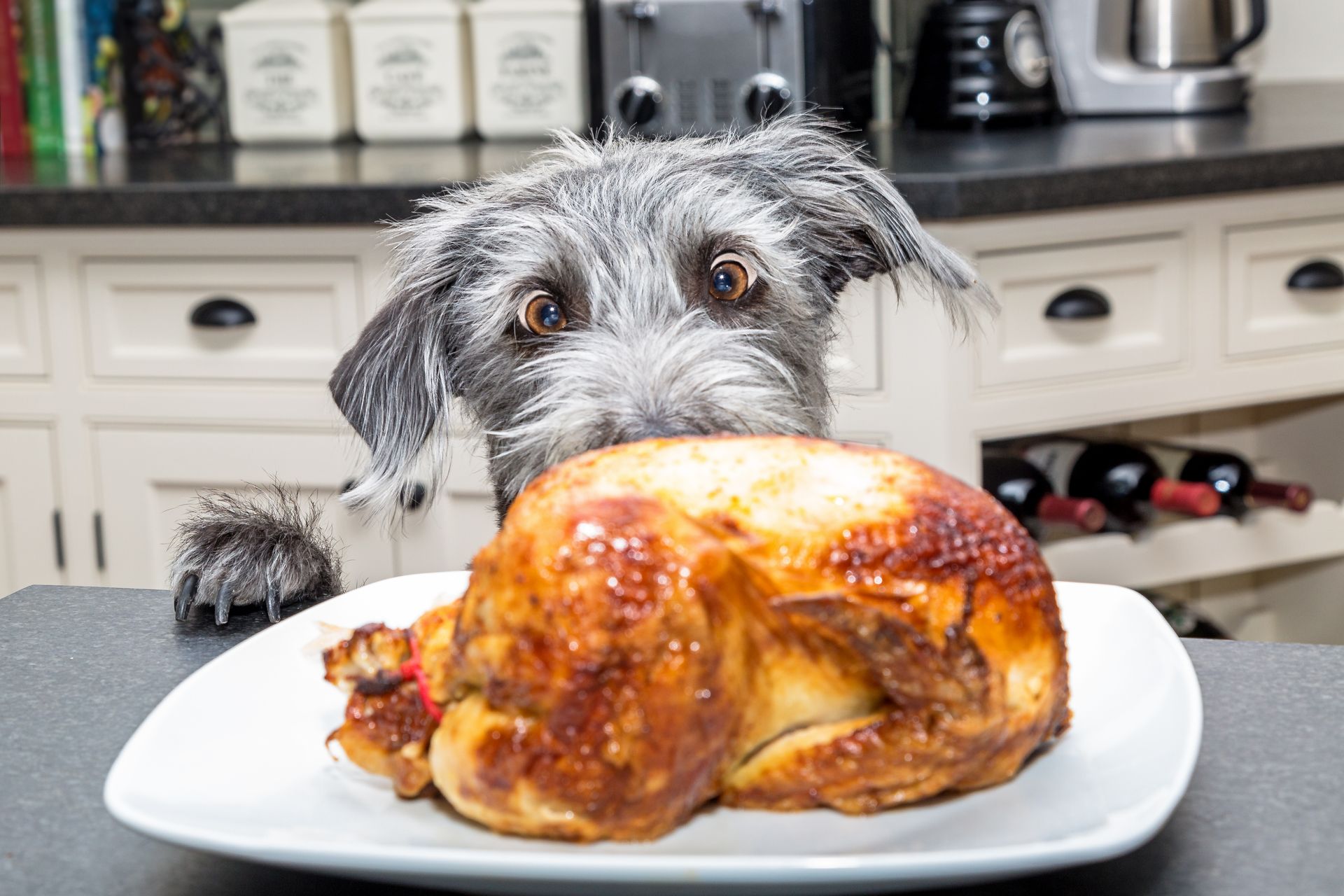
- Scavenging for food (trash, counters, dropped crumbs)
- Eating too fast or inhaling food
- Weight gain from overeating
Why it happens:
Cheap foods are full of empty calories. They fill your pet's stomach but don't provide lasting satiety or nutrition. It's like eating a bag of chips versus a balanced meal. One leaves you satisfied, the other leaves you hungry an hour later.
Low protein and high carbs cause blood sugar spikes and crashes, triggering hunger signals even when your pet has eaten enough calories.
What to do:
Switch to a high-protein, low-carb food. Protein and healthy fats keep pets fuller longer and stabilize blood sugar.
Look for foods with at least 30% protein for dogs and 40% for cats. Avoid foods where corn, wheat, or rice are the first ingredients.
You can also slow down fast eaters with puzzle feeders or slow-feed bowls. This gives their brain time to register fullness.
How to Switch Your Pet's Food Safely
If you've recognized any of these signs, don't panic. Switching food is simple, but it needs to be done gradually to avoid stomach upset.
The 7-Day Transition Plan:
- Days 1-2: 75% old food, 25% new food
- Days 3-4: 50% old food, 50% new food
- Days 5-6: 25% old food, 75% new food
- Day 7: 100% new food
If your pet has a sensitive stomach, stretch this to 10-14 days.
Watch for any digestive upset during the transition. A little gas or softer stools is normal at first. If vomiting or severe diarrhea occurs, slow down the transition.
What to Look for in High-Quality Pet Food
Not sure what "good food" actually looks like? Here's a quick checklist:
✅
Named meat as the first ingredient (chicken, beef, salmon, not "meat meal" or "by-products")
✅
Minimal fillers (avoid corn, wheat, soy as primary ingredients)
✅
No artificial colors, flavors, or preservatives
✅
Whole vegetables and fruits for vitamins and fiber
✅
Healthy fats (salmon oil, flaxseed, chicken fat)
✅
Probiotics or prebiotics for gut health
✅
Clear sourcing information (where ingredients come from)
At Health E Pets Market, every food we stock meets these standards. We don't carry junk, period.
Browse our selection of natural dog food and cat food in Jupiter, or ask our staff for personalized recommendations.
Check out this resource regarding AAFCO Dog and Cat Food Nutrient Profiles.
Real-Life Example: Max's Transformation
Max, a six-year-old Labrador, came into our store last year. His owner was frustrated. Max had chronic diarrhea, dull coat, low energy, and was constantly begging for food despite eating large portions.
After reviewing his current food (a popular grocery store brand), we recommended switching to a high-protein, grain-free formula with added probiotics.
Within two weeks, Max's stools firmed up. His coat started to shine. His energy returned, and the constant begging stopped.
Three months later, Max's owner told us he felt like he had a new dog. All because of a simple food change.
When to See a Vet
Diet changes solve most food-related issues, but some symptoms require veterinary attention:
- Blood in stool or vomit
- Sudden, severe weight loss
- Chronic ear infections (could indicate allergies)
- Seizures or neurological symptoms
- Symptoms that don't improve after 4-6 weeks on new food
Always consult your vet before making major diet changes, especially if your pet has existing health conditions.
The Bottom Line
Your pet's food should support their health, not undermine it. If you're seeing chronic digestive issues, skin problems, low energy, behavioral changes, or constant hunger, it's time to take a hard look at what's in their bowl.
The good news? Switching to quality food can reverse most of these issues within weeks.
You don't need to figure this out alone. We're here to help.
Visit Health E Pets Market in Jupiter
Ready to find food that actually works for your pet? Stop by Health E Pets Market in Jupiter, Florida.
We carry raw, freeze-dried, grain-free, and limited-ingredient options for dogs and cats with all kinds of dietary needs. Our staff has been helping Jupiter pet owners since 2010, and we know how to match pets with the right food.
Check out our dog food selection, cat food selection, and health supplements, or just come talk to us.
Your pet deserves food that fuels them, not fails them. Let's find it together.
Share content