5 Ways to Improve Your Dog's Dental Health Without the Dentist
Keep your dog's teeth clean naturally.
February is National Pet Dental Health Month, which means it's time to talk about something most pet owners ignore until there's a problem: your dog's teeth.
Bad breath isn't cute. It's a warning sign.
By age three, 80% of dogs have some form of dental disease. Left untreated, it leads to pain, tooth loss, infections, and even heart and kidney problems. Bacteria from diseased gums enter the bloodstream and damage vital organs.
Professional dental cleanings are important, but you don't need to wait for the vet to take action. At Health E Pets Market in Jupiter, we help dog owners support dental health every single day with simple, natural strategies.
Let's talk about five ways you can improve your dog's dental health right now, without anesthesia or a vet bill.
Why Dental Health Matters More Than You Think
Your dog's mouth is the gateway to their entire body. Healthy teeth and gums mean:
- Less pain: Dental disease hurts. Dogs just hide it well.
- Better nutrition: Painful teeth make eating difficult.
- Stronger immunity: Chronic inflammation from gum disease weakens the immune system.
- Longer life: Studies link poor dental health to shorter lifespans.
- Lower vet costs: Prevention is cheaper than treating advanced dental disease.
Ignoring dental care isn't just about bad breath. It's about your dog's quality of life.
Way #1: Feed Dental Chews That Actually Work
Not all dental chews are created equal. Some are glorified candy bars with zero cleaning power.
What to look for:
- Texture that scrapes plaque: The chew should be firm enough to create friction against teeth as your dog gnaws.
- Natural ingredients: Avoid artificial colors, flavors, and preservatives.
- Appropriate size: Too small and your dog will swallow it whole. Too big and they'll give up.
- VOHC seal: The Veterinary Oral Health Council certifies products proven to reduce plaque and tartar.
Top picks we carry:
- Bully sticks: Single-ingredient, high-protein, long-lasting. The chewing action scrapes away plaque naturally.
- Dental chews with enzymes: These break down plaque chemically while your dog chews.
- Yak cheese chews: Hard texture provides serious scrubbing power without splintering.
How to use them:
Give your dog a dental chew 3-4 times per week, ideally after meals when plaque is forming. Supervise to make sure they're chewing, not gulping.
Stop by Health E Pets Market to see our full selection of dental chews. Our staff can help you pick the right size and texture for your dog's chewing style.
Way #2: Offer Raw Bones for Natural Teeth Cleaning
Raw bones are nature's toothbrush. The act of gnawing scrapes plaque off teeth, massages gums, and provides mental stimulation.
Important rules:
- Always raw, never cooked: Cooked bones splinter and cause injuries. Raw bones are soft enough to chew safely.
- Size matters: Choose bones larger than your dog's mouth so they can't swallow them whole. Beef knuckle bones, marrow bones, and recreational bones work well.
- Supervise always: Never leave your dog alone with a bone.
- Freeze for longer use: Frozen bones last longer and provide extra entertainment.
What raw bones do:
- Scrape plaque and tartar mechanically
- Stimulate gums and increase blood flow
- Provide calcium and other minerals
- Satisfy natural chewing instincts
Not for every dog:
Skip raw bones if your dog:
- Has a history of broken teeth
- Gulps food without chewing
- Has pancreatitis or sensitive digestion
- Is a small breed with delicate jaws
If raw bones aren't a fit, try antlers or yak chews instead. They provide similar benefits with less risk.
Way #3: Use Water Additives for Daily Plaque Control
Water additives are one of the easiest dental tools out there. You add a capful to your dog's water bowl, and it works while they drink.
How they work:
Quality water additives contain enzymes that break down plaque and neutralize bacteria that cause bad breath. They also help prevent new plaque from forming.
What to look for:
- Enzymatic formulas: These actively fight plaque.
- Tasteless or mild flavor: Your dog shouldn't refuse to drink because the water tastes weird.
- No alcohol or xylitol: Both are toxic to dogs.
- VOHC-approved options: Look for products backed by research.
How to use them:
Add the recommended amount to fresh water daily. That's it. Your dog drinks, and the product does the work.
This won't replace brushing or chews, but it's a great layer of defense, especially for dogs who hate having their teeth touched.
We stock veterinary-recommended water additives at Health E Pets Market. Ask our team which one works best for your dog.
Way #4: Feed a Diet That Supports Dental Health
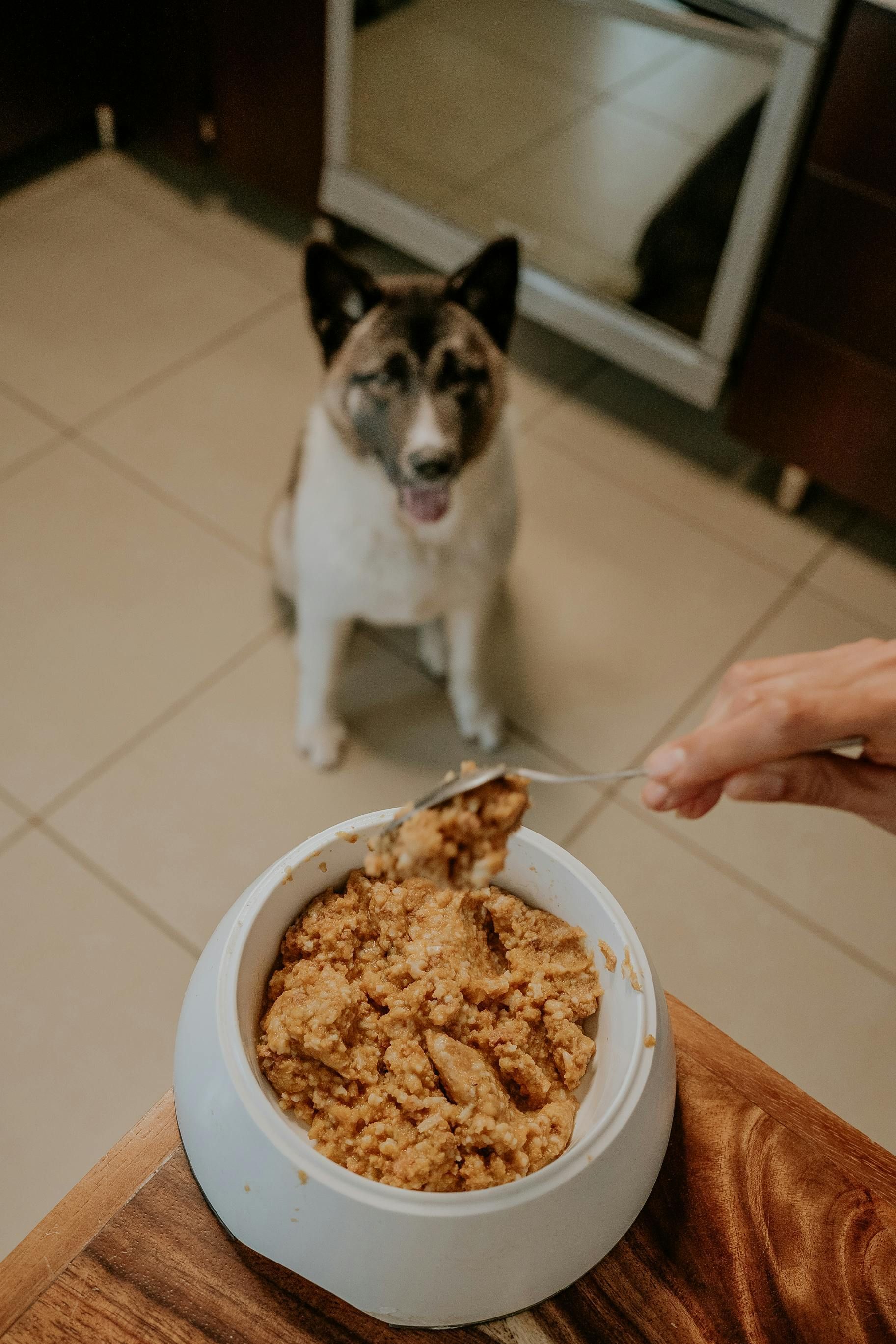
What your dog eats has a massive impact on their teeth and gums.
Dry kibble vs. wet food:
Dry kibble provides some mechanical cleaning as it crunches, but it's not a magic bullet. Cheap kibble high in carbs and fillers can actually feed the bacteria that cause plaque.
Wet food sticks to teeth more easily but offers better nutrition for some dogs. The key is quality, not texture.
What helps dental health:
- High-quality protein: Supports gum health and immune function.
- Healthy fats (omega-3s): Reduce inflammation in gums.
- Crunchy raw vegetables: Carrots, celery, and apple slices act like natural toothbrushes.
- Probiotics: Support oral microbiome balance and reduce bad bacteria.
What harms dental health:
- High-sugar foods and treats: Feed the bacteria that form plaque.
- Sticky treats: Cling to teeth and accelerate decay.
- Low-quality kibble: Doesn't provide mechanical cleaning and can leave residue.
Consider raw or freeze-dried diets:
Many raw feeders report cleaner teeth and fresher breath. Raw diets include bones (ground or whole) that naturally clean teeth. The lack of starches and sugars also means less plaque formation.
Not ready to go fully raw? Try adding raw meaty bones or freeze-dried toppers to your dog's current food.
Browse our selection of natural dog food and dental-friendly treats at our Jupiter store.
Way #5: Book Regular Professional Groomings
Wait, grooming? For dental health?
Yes. Here's why.
What groomers can do:
- Spot early problems: Groomers often notice bad breath, swollen gums, or loose teeth before owners do.
- Remove buildup: Some groomers offer teeth brushing or dental wipes as add-on services.
- Reduce overall bacteria load: Clean ears, skin, and coat mean fewer bacteria that can migrate to the mouth.
What we offer at Health E Pets Market:
Our in-house grooming team has been caring for Jupiter dogs since 2010. We can add teeth brushing to your grooming appointment or recommend dental products based on what we see.
Professional groomings keep your dog clean, comfortable, and healthier overall. And a healthier dog has an easier time fighting dental disease.
Bonus Tip: Brush Your Dog's Teeth (Yes, Really)
If you can handle it, brushing your dog's teeth is the gold standard for home dental care.
How to start:
- Get the right tools: Dog toothbrush (or finger brush) and dog toothpaste. Never use human toothpaste—it contains xylitol, which is toxic to dogs.
- Go slow: Let your dog lick the toothpaste off your finger first. Then touch their gums. Build up to actual brushing over several days.
- Focus on the outer surfaces: That's where plaque builds up most.
- Make it positive: Reward with praise and a dental chew after.
How often:
Daily is ideal. 3-4 times per week is still beneficial.
Can't brush?
Don't stress. Use the other strategies in this article. Brushing is the best option, but it's not the only one.
Signs Your Dog Needs a Vet Dental Checkup
Home care is powerful, but it doesn't replace professional cleanings. Watch for these warning signs:
- Persistent bad breath (worse than typical "dog breath")
- Yellow or brown buildup on teeth
- Red, swollen, or bleeding gums
- Loose or missing teeth
- Pawing at the mouth or face
- Difficulty eating or dropping food
- Excessive drooling
- Behavior changes (irritability, withdrawal)
If you see any of these, schedule a vet visit. Your dog may need a professional cleaning under anesthesia to remove tartar below the gum line.
Real-Life Example: Dallas's Fresh Breath
Dallas, a three-year-old Mini Australian Shepherd, came into Health E Pets Market last year with breath that could clear a room. His owner was embarrassed and worried.
We recommended a three-part plan:
- Switch to a high-protein, low-carb food
- Add a VOHC-approved water additive daily
- Give a bully stick three times per week
Within a month, Dallas's breath improved dramatically. His owner was thrilled and avoided a costly vet dental procedure by catching the problem early.
The Bottom Line
You don't need a vet appointment to start improving your dog's dental health today. Dental chews, raw bones, water additives, quality food, and regular grooming all work together to keep teeth clean and gums healthy.
The best part? These strategies also prevent expensive dental procedures down the road.
Start small. Pick one or two methods and make them part of your routine. Your dog's teeth (and your wallet) will thank you.
Visit Health E Pets Market in Jupiter
Ready to take control of your dog's dental health? Stop by Health E Pets Market in Jupiter, Florida.
We carry everything you need: dental chews, raw bones, water additives, high-quality food, and supplements that support oral health. Plus, our grooming team can add teeth brushing to your next appointment.
We've been helping Jupiter dog owners since 2010, and our experienced staff knows how to keep your dog's smile healthy and bright.
Stop by today and celebrate National Pet Dental Health Month the right way.
Share content