The Ultimate Guide to Switching to a Natural Pet Diet
You've decided to upgrade your pet's diet. Maybe you're tired of mystery ingredients and recalls. Maybe your vet recommended better nutrition. Or maybe you just want your pet to thrive, not just survive.
Whatever brought you here, you're making a smart choice. Natural, whole-food diets can transform your pet's health in ways processed kibble never will. A 2022 clinical trial in Frontiers in Veterinary Science showed that healthy dogs on a whole-food diet displayed less inflammatory cytokine signaling (lower TNF‑α/IL‑10 ratio) and greater immune responsiveness compared to dogs on standard kibble.
But switching food isn't as simple as dumping new kibble in the bowl tomorrow. Done wrong, you'll end up with an upset stomach, refusal to eat, or worse.
At Health E Pets Market in Jupiter, we've guided hundreds of pet owners through successful diet transitions. We've seen the mistakes, the shortcuts that backfire, and the strategies that actually work.
Let's walk through exactly how to switch your pet to a natural diet the right way, whether you're going raw, freeze-dried, grain-free, or just upgrading to higher quality food.
What Does "Natural Pet Diet" Actually Mean?
The term "natural" gets thrown around a lot. Here's what it should mean:
Core principles:
- Whole, recognizable ingredients: Real meat, vegetables, and fruits you can identify
- Minimal processing: The closer to its natural state, the better
- No artificial additives: No colors, flavors, or preservatives your pet doesn't need
- Species-appropriate nutrition: What dogs and cats would eat in nature
Types of natural diets:
- Raw: Uncooked meat, bones, organs, and vegetables source: AVMA
- Freeze-dried raw: Raw ingredients frozen then dried to preserve nutrients
- Dehydrated: Gently dried whole foods that rehydrate with water
- Grain-free kibble: High-quality protein without corn, wheat, or soy
- Limited ingredient: Minimal ingredients for sensitive pets
- Human-grade: Ingredients safe for human consumption
At Health E Pets Market, we carry all of these options because different pets thrive on different formats.
Why Switch to a Natural Diet?
If processed kibble was doing the job, you wouldn't be reading this. Here's what a natural diet can do:
Immediate benefits (within 2-4 weeks):
- Firmer, smaller stools (better digestion means better absorption)
- Shinier coat and healthier skin
- Fresher breath and cleaner teeth
- Increased energy and mental clarity
- Better weight management
Long-term benefits (months to years):
- Stronger immune system
- Reduced inflammation and joint pain
- Lower risk of chronic diseases (diabetes, kidney disease, cancer)
- Improved dental health
- Increased lifespan and quality of life
We covered some of these benefits in our January article on food quality. Now let's talk about how to make the switch stick.
The Biggest Mistake Pet Owners Make
Switching too fast.
You're excited. You bought the new food. You want results now. So you fill the bowl with 100% new food and hope for the best.
Bad idea.
What happens:
- Vomiting
- Diarrhea
- Gas and bloating
- Refusal to eat
- Your pet associates the new food with feeling sick
Your pet's digestive system has adapted to their current food. The bacteria in their gut are designed to break down what they've been eating. Sudden changes throw everything off balance.
The right way:
Transition slowly over 7-14 days. Sensitive stomachs may need even longer.
The 7-Day Transition Plan
This is the standard timeline for most pets. Adjust based on your pet's sensitivity.
Days 1-2:
- 75% old food
- 25% new food
- Watch for any digestive upset
Days 3-4:
- 50% old food
- 50% new food
- Stools may be softer than normal (that's okay)
Days 5-6:
- 25% old food
- 75% new food
- Most pets adjust well at this stage
Day 7:
- 100% new food
- Continue monitoring for another week
For sensitive pets:
Stretch this to 10-14 days, especially if switching from kibble to raw or drastically different protein sources.
Signs to slow down:
- Persistent diarrhea (more than 2 days)
- Vomiting more than once
- Complete refusal to eat
- Lethargy or discomfort
If these happen, go back to the previous ratio and transition more slowly.
Special Considerations for Different Diet Types
Different formats require slightly different approaches.
Switching to Raw Food
Raw is the biggest jump from processed kibble. Your pet's digestive system needs time to adjust to higher protein and fat, plus the introduction of raw bones.
Tips for success:
- Start with one protein source (chicken or turkey are easiest to digest)
- Begin with boneless meat for the first week, then gradually introduce ground bone
- Feed raw separately from kibble (don't mix in the same meal, as they digest at different rates)
- Consider digestive enzymes or probiotics to support the transition
- Expect stools to be smaller and firmer once adjusted
Don't panic if:
- Stools are very firm or chalky at first (bone content)
- Your pet has mild detox symptoms (skin breakouts, eye discharge) as their body adjusts
Switching to Freeze-Dried or Dehydrated
These are easier transitions than raw because the processing makes them more similar to kibble.
Tips:
- Follow the standard 7-day plan
- Rehydrate freeze-dried food with warm water for better palatability
- Start with smaller portions since these foods are calorie-dense
Switching to Grain-Free or Higher-Quality Kibble
This is the easiest transition, but still requires gradual change.
Tips:
- Follow the 7-day plan
- Watch for changes in stool size (better food = less waste)
- Your pet may eat less because they're getting more nutrition per cup
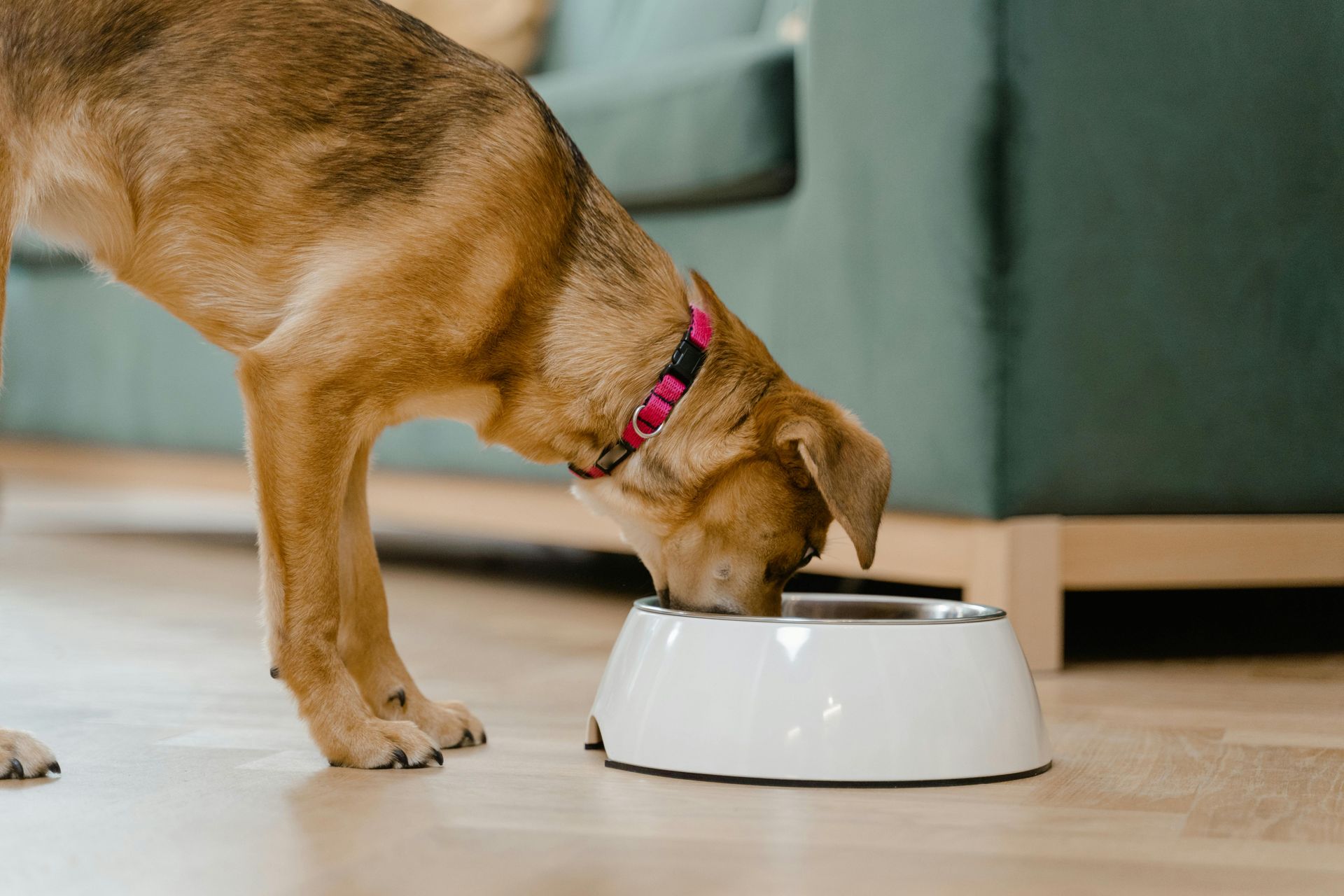
How to Handle Picky Eaters
Some pets refuse new food just because it's different. They're not starving, they're stubborn.
Strategies that work:
1. Add palatability boosters:
- Warm water or bone broth
- A spoonful of canned food or wet topper
- Freeze-dried raw sprinkled on top
- A small amount of plain yogurt or kefir
2. Make it exciting:
- Hand-feed the first few bites
- Use the new food for training treats
- Feed in a different location or bowl
3. Remove pressure:
- Put food down for 15-20 minutes
- If they don't eat, pick it up
- No snacks or treats until next meal
- Most healthy pets will eat when hungry enough (this usually takes 1-2 missed meals max)
4. Don't give up too soon:
It can take 7-10 exposures to a new food before pets accept it. Stick with the plan.
When to worry:
If your pet refuses all food for more than 24 hours (12 hours for puppies and kittens), call your vet.
Supporting Your Pet's Gut During the Transition
The gut microbiome needs time to adapt. You can help.
Add probiotics:
Quality probiotics introduce beneficial bacteria that help digest new foods. Look for:
- Multiple bacterial strains
- High CFU count (billions, not millions)
- Pet-specific formulations
We stock veterinary-grade probiotics at Health E Pets Market.
Add digestive enzymes:
Enzymes help break down protein, fat, and carbs, easing the transition burden on the digestive system.
Especially helpful when switching to raw or high-protein diets.
Consider bone broth:
Homemade or store-bought bone broth soothes the digestive tract and provides easily absorbed nutrients.
Pour over new food to increase palatability and support gut healing.
Add pumpkin (in moderation):
Plain canned pumpkin (not pie filling) provides fiber that can firm up loose stools or ease constipation.
Use 1-2 tablespoons for dogs, 1 teaspoon for cats.
Transitioning Multiple Pets
Got more than one pet? Here's how to manage it.
Keep them separate during meals:
Feed in different rooms or crates so you can monitor who's eating what.
Transition on different timelines if needed:
One pet might adjust faster than another. Don't rush the sensitive one just because the other is ready.
Watch for food guarding:
New, exciting food can trigger resource guarding in some pets. Feed separately until everyone's fully transitioned.
What to Expect After the Transition
You made it through the transition. Now what?
Week 1-2 post-transition:
- Stools should normalize and become smaller/firmer
- Energy levels may increase
- Some pets experience mild detox symptoms (discharge, skin changes)
Week 3-4:
- Coat starts to look shinier
- Breath improves
- Digestive issues from old food resolve
Month 2-3:
- Noticeable improvement in coat quality
- Weight normalizes (overweight pets lose, underweight pets gain)
- Behavioral improvements in some pets
Month 6+:
- Long-term health benefits become clear
- Stronger immunity, better dental health, overall vitality
Keep monitoring:
Even after a successful transition, stay alert to how your pet responds long-term. Food sensitivities can develop, or your pet's needs may change with age or activity level.
When to Rotate Proteins
Once your pet is stable on their new diet, consider rotating proteins every 2-3 months.
Why rotate:
- Prevents development of food sensitivities
- Provides variety of nutrients
- Keeps meals interesting
- Reduces boredom
How to rotate:
Follow a mini 3-5 day transition when switching proteins (not as long as the initial switch, since the format stays the same).
Example rotation: Chicken → Beef → Fish → Lamb → Turkey → back to Chicken
Common Questions
Q: Can I mix wet and dry food? Yes, just count both toward their daily calorie needs.
Q: Should I free-feed or use scheduled meals? Scheduled meals give you better control during transitions and help monitor appetite.
Q: My pet has allergies. How do I transition? Use a limited-ingredient diet with a novel protein (one they've never eaten). We can help you choose at our Jupiter store.
Q: Is raw food safe? When handled properly, yes. We covered some of this in our February dental health article. Use human food-safety practices.
Q: How much should I feed? Start with the manufacturer's guidelines, then adjust based on your pet's weight, activity, and body condition.
Real-Life Example: Luna's Transformation
Luna, a five-year-old Lab mix, came into Health E Pets Market with chronic ear infections, dull coat, low energy, and constant itching.
Her owner had tried everything except changing her food.
We recommended a gradual transition from grocery-store kibble to a limited-ingredient, grain-free formula with novel protein (duck).
Week 1: Luna's stools firmed up immediately.
Week 3: The scratching decreased noticeably.
Week 6: Her coat was shinier, ear infections stopped recurring, and her energy returned.
Month 4: Luna's owner said she acted like a puppy again. No more vet visits for infections. No more scratching at 3 AM.
All from switching food.
The Bottom Line
Switching to a natural diet is one of the best things you can do for your pet's health. But it only works if you do it right.
Take your time. Follow the 7-day transition plan. Support your pet's gut with probiotics and patience. Monitor their response and adjust as needed.
The payoff is worth it: a healthier, happier pet with better digestion, more energy, and a longer life.
Visit Health E Pets Market in Jupiter
Ready to upgrade your pet's nutrition? Stop by Health E Pets Market in Jupiter, Florida.
We carry raw, freeze-dried, grain-free, and limited-ingredient options for dogs and cats. Our experienced staff has been helping Jupiter pet owners make successful food transitions since 2010.
We'll help you choose the right food for your pet's needs and walk you through the transition process step by step.
Check out our dog food selection, cat food selection, and digestive health supplements.
Stop by today and start your pet's transformation to better health.
Share content