Joint Health for Aging Pets: What Every Owner Should Know
Your dog used to race you to the door. Now they take the stairs one at a time, looking at you like they need a moment before continuing.
Your cat used to leap onto the counter without a second thought. Now they hesitate at the edge, calculating whether the jump is worth it.
This isn't just aging. In most cases, it's joint pain. And it's more common than most pet owners realize.
By age seven, the majority of dogs have some degree of joint degeneration. For large breeds, that number climbs even higher and hits earlier. Cats are masters at hiding pain, which means their joint disease often goes undetected until it's significantly advanced.
September is National Senior Pet Month, which makes it the perfect time to talk about one of the most underaddressed health issues in aging pets: joint health.
At Health E Pets Market in Jupiter, we work with senior pet owners every week who are looking for natural ways to support their aging pets' mobility and comfort. The good news is that joint health is highly manageable when you catch it early and approach it correctly.
Here's everything you need to know.
What Happens to Joints as Pets Age
Understanding what's happening inside your pet's body helps you make better decisions about how to support them.
Healthy joints:
A healthy joint is cushioned by cartilage, a firm but flexible tissue that prevents bones from grinding against each other. Joints are also surrounded by synovial fluid, a natural lubricant that keeps movement smooth and comfortable.
What goes wrong:
As pets age, cartilage breaks down faster than the body can repair it. Synovial fluid decreases and thickens. Bones begin to develop abnormal growths called osteophytes (bone spurs) that further restrict movement and cause pain.
This process is called osteoarthritis, and it's a progressive, degenerative condition. It doesn't reverse, but it absolutely can be slowed and managed.
Factors that accelerate joint degeneration:
- Breed: Large breeds (Labs, Golden Retrievers, German Shepherds) and giant breeds (Great Danes, Mastiffs) experience joint issues earlier and more severely
- Weight: Every extra pound of body weight puts four additional pounds of pressure on joints
- Previous injuries: Old sprains, fractures, or ligament tears predispose joints to early arthritis
- Genetics: Hip and elbow dysplasia are hereditary in many breeds
- Diet: Poor nutrition through life contributes to inflammation and faster tissue breakdown
- High-impact exercise history: Dogs who spent years jumping, running on hard surfaces, or doing intense sport work have higher joint wear
Signs Your Pet Is Experiencing Joint Pain
Dogs and cats both hide pain instinctively. By the time you notice something, they've often been uncomfortable for a while.
Signs of joint pain in dogs:
- Reluctance to climb stairs, jump into the car, or get on furniture
- Stiffness after rest, especially in the morning or after lying down for a long time
- Limping or favoring one leg
- Visible swelling around joints
- Licking, chewing, or biting at specific joints
- Reduced activity level or unwillingness to go on walks
- Difficulty standing after lying down
- Personality changes: irritability, withdrawal, or snapping when touched
- Muscle loss around affected joints (atrophy from disuse)
Signs of joint pain in cats:
Cats are notoriously stoic. Their signs are subtler:
- Reduced jumping or avoiding heights they previously managed easily
- Choosing lower resting spots
- Unkempt coat (grooming is harder when joints ache)
- Litter box avoidance (stepping in and out becomes painful)
- Reduced activity and more sleeping than usual
- Hiding or withdrawing from interaction
- Uncharacteristic aggression when picked up or touched
The key rule:
Any behavior change in a senior pet deserves attention. Don't dismiss it as "just getting old." Old age is not a disease, but pain is.
Natural Joint Support: The Four Pillars
Managing joint health naturally requires a comprehensive approach. No single supplement or strategy works in isolation.
The four pillars work together.
Pillar 1: Targeted Supplements
Supplements are the cornerstone of natural joint support. The right combination can meaningfully reduce inflammation, slow cartilage breakdown, and improve comfort.
Glucosamine:
The most researched joint supplement for pets. Glucosamine is a naturally occurring compound that stimulates cartilage repair and maintains synovial fluid quality.
Research suggests glucosamine works best as a preventive and early intervention rather than a late-stage treatment. If your pet is already showing significant signs of arthritis, glucosamine slows progression but won't reverse existing damage.
What to look for:
- Glucosamine HCl or Glucosamine Sulfate (both are effective)
- Minimum therapeutic dose: 500mg per 25 lbs body weight daily for dogs
- Often combined with chondroitin for synergistic effect
Chondroitin Sulfate:
Works alongside glucosamine to inhibit enzymes that break down cartilage. Together, glucosamine and chondroitin are more effective than either alone.
Most quality joint supplements combine both. If yours doesn't, it's worth upgrading.
Omega-3 Fatty Acids (EPA and DHA):
Omega-3s are one of the most evidence-backed natural interventions for joint inflammation in pets. EPA specifically inhibits inflammatory pathways that drive joint pain and degeneration.
Sources:
- Fish oil (most bioavailable for dogs and cats)
- Krill oil (smaller dose needed, highly absorbable)
- Green-lipped mussel (also contains glucosamine and chondroitin naturally)
Dosing matters: therapeutic doses for joint support are higher than basic skin and coat doses. Ask our staff at Health E Pets Market for guidance on the right dose for your pet's weight.
MSM (Methylsulfonylmethane):
A sulfur compound that supports connective tissue repair and reduces inflammation. Often included in joint supplement formulas alongside glucosamine and chondroitin.
Works well for pets with significant pain and stiffness. Safe for long-term use.
Turmeric and Curcumin:
Natural anti-inflammatory with growing evidence in veterinary use. Curcumin, the active compound in turmeric, inhibits inflammatory pathways similar to NSAIDs but without the side effects.
Key consideration: curcumin has poor bioavailability on its own. Look for formulas that include piperine (black pepper extract) or are specifically formulated for enhanced absorption.
Green-Lipped Mussel:
A whole-food joint supplement from New Zealand containing omega-3s, glucosamine, chondroitin, and unique fatty acids not found elsewhere. [Likely] Growing veterinary research supports its effectiveness for joint pain in both dogs and cats.
We carry veterinary-grade joint supplements combining these ingredients for dogs and cats at Health E Pets Market. Our team can help you choose the right formula and dose for your specific pet.
Pillar 2: Diet and Nutrition
What your pet eats directly impacts inflammation levels throughout their body, including their joints.
Anti-inflammatory diet principles:
- High-quality protein: Supports muscle mass, which protects joints by reducing the load they carry
- Omega-3 rich ingredients: Salmon, sardines, and mackerel are naturally anti-inflammatory
- Low in refined carbohydrates: Processed grains and starches spike blood sugar and promote systemic inflammation
- Antioxidant-rich vegetables: Blueberries, leafy greens, sweet potatoes, and carrots fight oxidative damage in joint tissue
Foods that worsen joint inflammation:
- Cheap kibble high in corn, wheat, and soy
- Foods with artificial additives and preservatives
- Excessive omega-6 fatty acids without omega-3 balance (most processed pet foods have this imbalance)
Weight management is non-negotiable:
Studies consistently show that weight loss is one of the most effective interventions for joint pain in overweight pets. Even a 6-8% reduction in body weight can produce significant improvement in mobility and comfort.
If your senior pet is carrying extra weight, transitioning to a high-protein, lower-carb food is the place to start. We walked through how to do this safely in our April diet transition article.
Browse our natural dog food and cat food options at Health E Pets Market. We can help you choose a senior-appropriate formula that supports joint health and healthy weight.
Pillar 3: Exercise and Movement
Rest isn't the answer for joint pain. Counterintuitively, appropriate movement is.
Why movement matters:
Exercise maintains the muscle mass that supports and protects joints. It also stimulates synovial fluid production and keeps joints lubricated. A sedentary senior pet loses muscle fast, which puts more stress on already compromised joints.
Low-impact exercise for senior pets:
- Swimming and hydrotherapy: The gold standard for arthritic pets. Water supports body weight while allowing full range of motion. If you have pool access, supervised swimming is excellent.
- Leash walks on flat, soft surfaces: Grass and dirt are kinder to joints than concrete and asphalt
- Short, frequent walks: Two or three shorter walks are better than one long one that exhausts arthritic joints
- Gentle play: Low-intensity tug, slow fetch, or light puzzle play keeps pets mentally and physically engaged
What to avoid:
- Explosive running or jumping (on and off furniture, out of cars)
- Long, high-impact sessions
- Exercise during the hottest part of the day in South Florida (we covered heat risks in our May summer safety article)
Ramps and steps:
Invest in ramps for cars and furniture if your senior dog still wants to be up on the couch or in the car. Jumping down repeatedly causes significant joint impact. A good ramp removes that stress entirely.
Pillar 4: Environmental Modifications
How you set up your home can meaningfully reduce daily pain and strain for arthritic pets.
For dogs:
- Orthopedic or memory foam bed: Standard thin beds offer no joint support. An orthopedic bed distributes weight evenly and reduces pressure points. Non-negotiable for arthritic dogs.
- Non-slip surfaces: Hardwood and tile floors are treacherous for arthritic pets. Use yoga mats, rugs, or grip socks to prevent slipping and the muscle strain that comes with it.
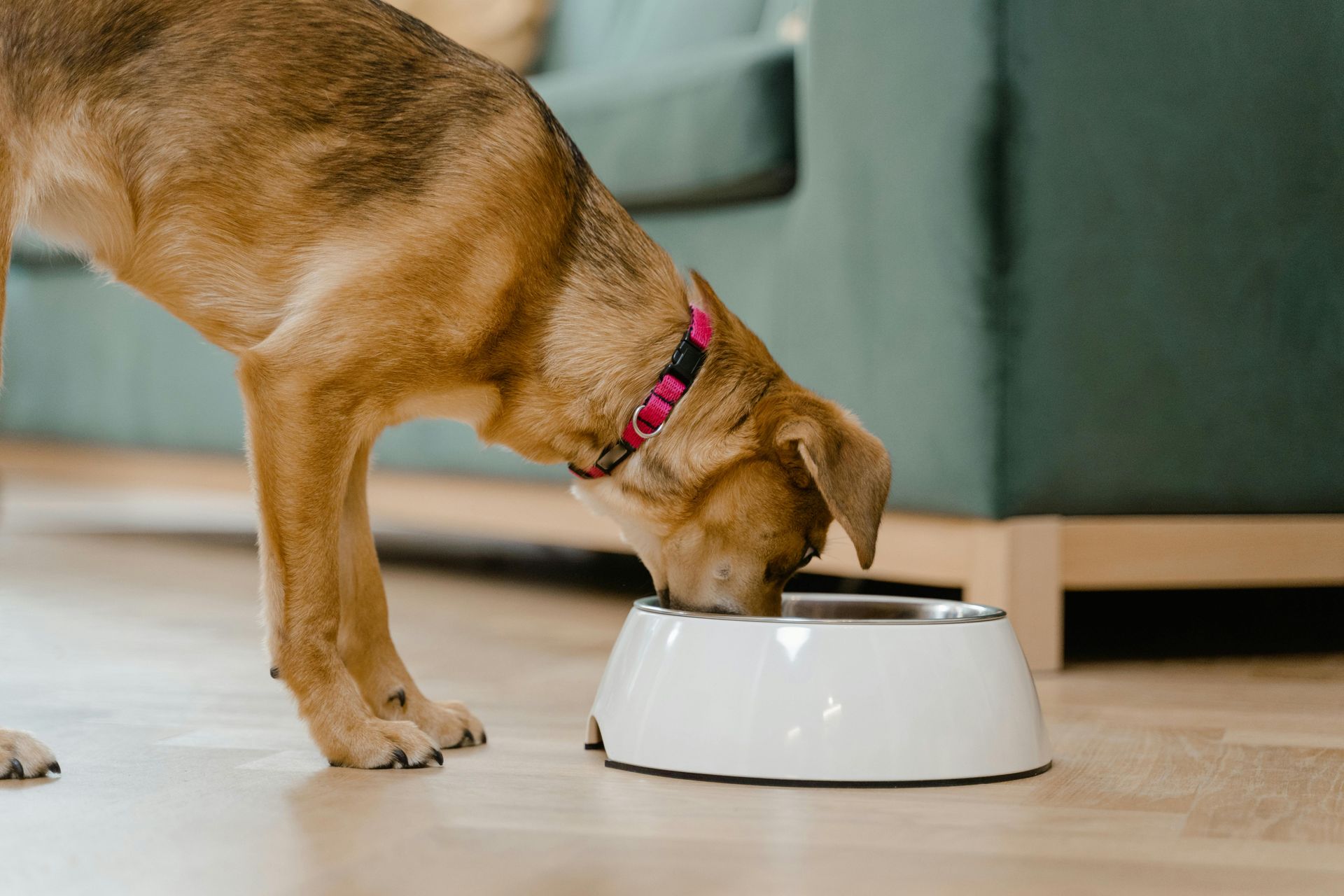
- Raised food and water bowls: Bending low to eat and drink strains neck and shoulder joints, especially in large breeds.
- Accessible sleeping area: Keep beds on the ground floor if your dog has started struggling with stairs.
For cats:
- Lower-sided litter boxes: Standard boxes require significant leg lifting to enter. Switch to a litter box with a low entry point or a cut-out entry for arthritic cats.
- Steps to favorite resting spots: If your cat still wants to access their favorite window perch or bed, provide steps or a ramp rather than making them jump.
- Multiple resting spots at different heights: Give them options that don't require difficult climbs.
- Heated beds: Warmth is soothing for arthritic joints. A low-wattage heated pad in their favorite sleeping spot makes a real difference.
We carry orthopedic beds and joint-supportive supplies in our dog supplies and cat supplies sections.
The Role of Professional Grooming in Senior Pet Comfort
This connection surprises most people, but it matters more than you'd think.
Arthritic pets struggle to self-groom effectively. Dogs with hip or shoulder pain can't reach certain areas. Cats with spinal arthritis stop grooming their lower backs and base of tail entirely.
Neglected coats mat and tangle, which pulls on skin and creates additional discomfort on top of existing joint pain.
What professional grooming does for senior pets:
- Maintains coat health when self-grooming is compromised
- Identifies new lumps, skin issues, or areas of tenderness
- Provides gentle massage stimulation during bathing
- Keeps nails trimmed (overgrown nails change gait and worsen joint alignment)
- Reduces the physical demand on the pet compared to at-home bathing
Our grooming team at Health E Pets Market has experience handling senior and arthritic pets with the patience and gentleness they need. We know how to position pets comfortably and keep sessions stress-free.
When to See a Vet
Natural management is powerful, but it has its limits.
See your vet if:
- Your pet is non-weight bearing on any limb
- Pain appears to be severe (crying out, refusing to move)
- Joint swelling is significant or sudden
- Natural interventions aren't making a noticeable difference after 6-8 weeks
- Your pet stops eating or dramatically changes behavior
Diagnostic tools your vet may use:
- X-rays to assess cartilage loss and bone spurs
- Gait analysis
- Blood work to rule out inflammatory conditions
- Physical manipulation to identify specific pain points
Prescription options if needed:
NSAIDs like Carprofen or Meloxicam are commonly prescribed for arthritic pain. They work well but require monitoring for liver and kidney function with long-term use. Regular blood work is essential if your pet is on pharmaceutical pain management.
Laser therapy and acupuncture are also gaining traction in veterinary medicine for joint pain with promising results.
Natural management and veterinary care aren't mutually exclusive. The best outcomes happen when both are used together.
Real-Life Example: Sadie's Second Wind
Sadie, a ten-year-old Labrador, was brought into Health E Pets Market by her owner last fall. She had stopped climbing the stairs to sleep in the bedroom, was hesitant about walks longer than half a block, and had lost visible muscle mass in her hind legs.
Her vet had confirmed arthritis but hadn't discussed natural management beyond prescription pain medication.
We recommended a four-part plan:
- A high-quality fish oil at therapeutic joint dose daily
- A combined glucosamine, chondroitin, and MSM supplement
- Transition to a high-protein, grain-free senior food with anti-inflammatory ingredients
- An orthopedic bed and non-slip mats throughout the house
Within six weeks, Sadie's owner reported she was walking further without hesitation and had started climbing the first few stairs again.
At Sadie's two-month check-in, she was back in the bedroom. Her owner said the difference was remarkable.
Sadie still has arthritis. She always will. But managed well, she has quality of life that she didn't have before.
The Bottom Line
Joint disease in senior pets is common, progressive, and manageable. The earlier you start, the better the outcome.
Don't wait for your pet to stop using the stairs before you take action. Watch for early signs, support joints proactively with targeted supplements and anti-inflammatory nutrition, keep them moving with appropriate exercise, and make their environment work for them instead of against them.
Your senior pet gave you years of loyalty and love. This is how you give that back.
Visit Health E Pets Market in Jupiter
Ready to build a joint health plan for your aging pet? Stop by Health E Pets Market in Jupiter, Florida.
We carry veterinary-grade joint supplements, senior-appropriate natural foods, orthopedic beds, and everything else you need to support your aging pet's mobility and comfort.
Our experienced staff has been helping Jupiter's senior pet owners since 2010. We take the time to understand your pet's specific situation and recommend products that actually make a difference.
Browse our dog health and wellness products, cat health and wellness products, dog food, cat food, and grooming services.
Come in this September and give your senior pet the support they deserve.
Share content